When Should You See a Sports Chiropractor?
Many people assume you should only see a sports chiropractor after you’ve been injured. In reality, waiting until you’re in pain often means a small issue has already developed into a bigger one.
Sports chiropractors don’t just treat injuries—they help people move better, recover faster, and stay active. Whether you’re training for an event, exercising regularly, or simply noticing stiffness during everyday activities, early treatment can help keep you doing what you love.
Here are some signs it might be time to book an appointment.
You’re Dealing With Persistent Pain
If pain has been lingering for days or weeks, it’s worth getting it assessed.
Common complaints include:
- Low back pain
- Neck pain
- Shoulder pain
- Hip discomfort
- Knee pain
- Foot or ankle pain
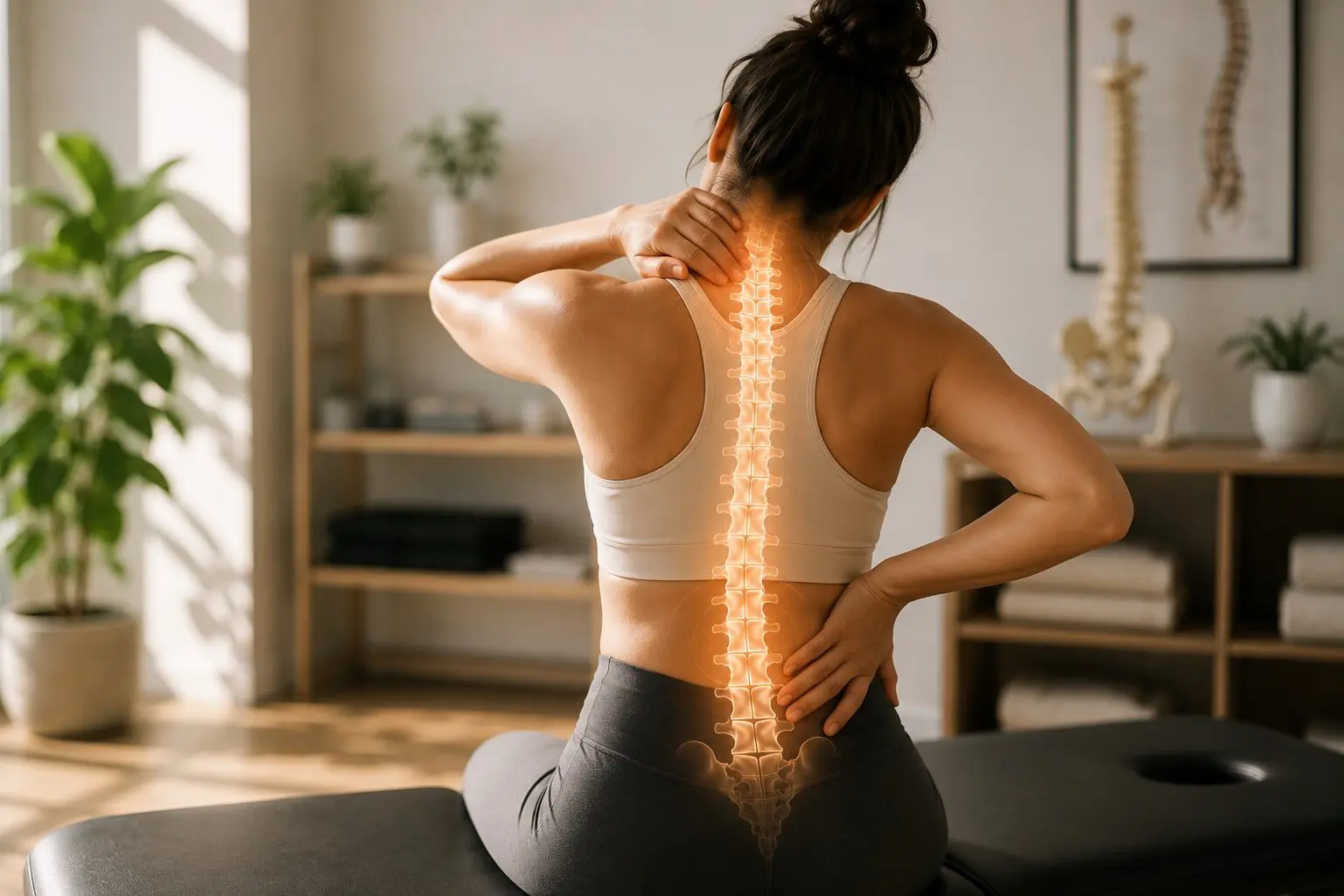
Ignoring pain and hoping it disappears can sometimes lead to compensation patterns that create even more problems elsewhere in the body.
Your Injury Keeps Coming Back
Have you noticed the same knee pain every time you run? Or does your shoulder always flare up after upper-body workouts?
Recurring injuries often mean the root cause hasn’t been addressed.
Sports chiropractors assess how your entire body moves to identify underlying issues such as joint restrictions, muscle imbalances, or poor movement patterns that may be contributing to repeat injuries.
You’re Feeling Stiff or Losing Mobility
Even if you’re not in pain, reduced mobility can affect how you move and perform.
If you’re struggling to:
- Squat comfortably
- Reach overhead
- Turn your neck
- Bend forward
- Move through your workouts
Your body may benefit from improving joint mobility and movement quality before pain develops.
You Want to Improve Athletic Performance
Sports chiropractic isn’t just about recovering from injuries—it’s also about optimizing movement.
Better mobility, improved joint function, and balanced muscle mechanics can help you:
- Move more efficiently
- Improve exercise technique
- Recover between training sessions
- Perform with greater confidence
Whether you’re training for your first 5K or chasing a new personal best in the gym, healthy movement is the foundation of performance.
You’re Recovering From a Sports Injury
Returning to activity too quickly can increase the risk of re-injury.
Sports chiropractors help guide recovery by combining hands-on treatment with rehabilitation exercises and movement strategies that support a safe return to exercise or sport.
The goal isn’t just to reduce pain—it’s to help you return stronger than before.
You Spend Long Hours Sitting
Not every patient is an athlete.
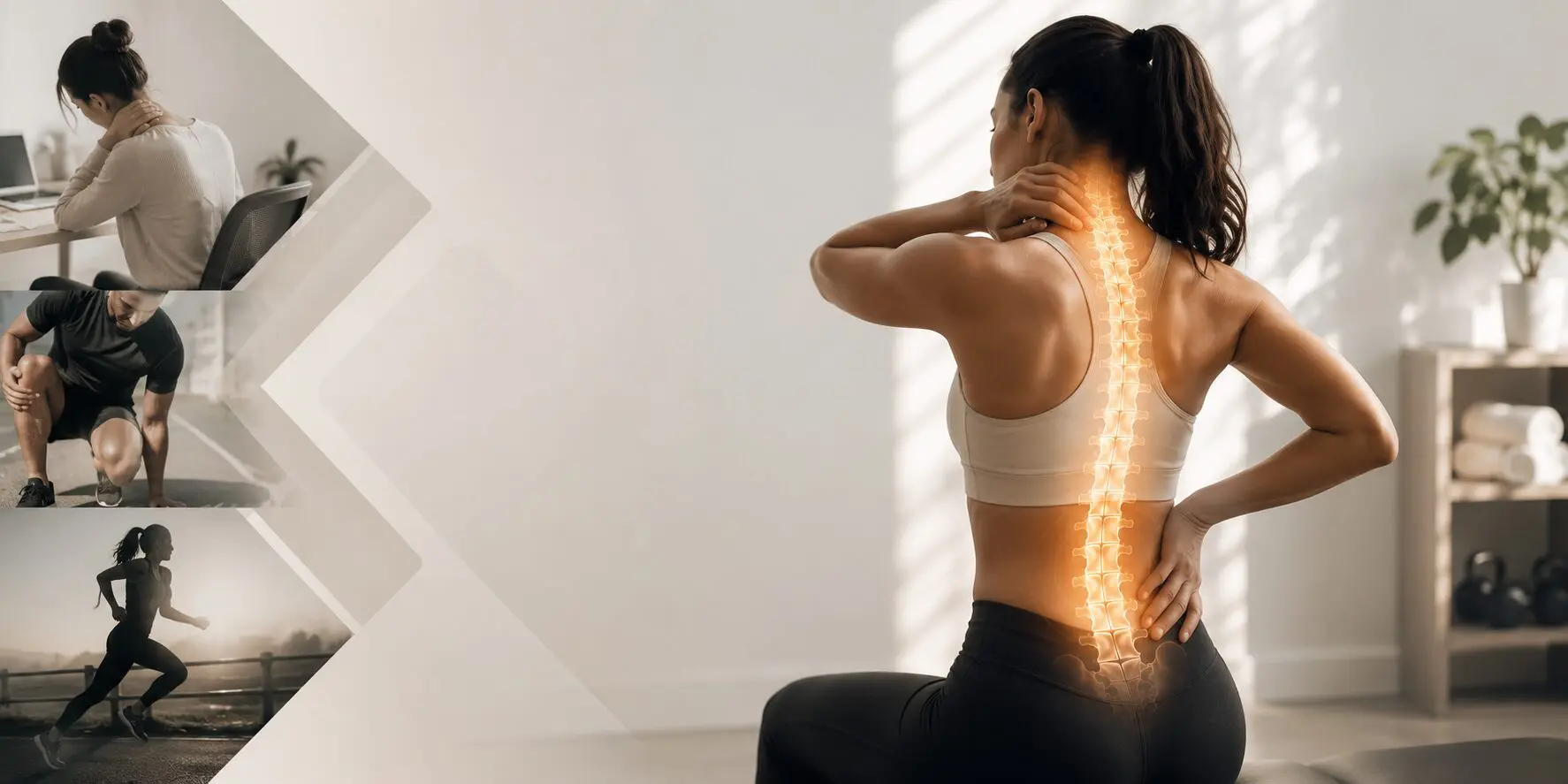
Desk work, driving, and prolonged sitting can contribute to stiffness, poor posture, muscle tightness, and reduced mobility.
If you regularly feel sore after a day at work or struggle with tension in your neck, shoulders, or back, sports chiropractic can help improve movement and reduce everyday discomfort.
You Want to Prevent Future Injuries
One of the biggest benefits of sports chiropractic is identifying movement issues before they become painful.
Small restrictions in mobility or muscle imbalances can place unnecessary stress on your joints over time.
Addressing these issues early may help reduce your risk of future injuries and keep you active longer.
You Want to Stay Active as You Age
Staying active is one of the best things you can do for your long-term health.
Whether you enjoy walking, golfing, hiking, strength training, cycling, or recreational sports, maintaining good mobility and joint function can help you continue doing the activities you love for years to come.
Sports chiropractic isn’t about treating elite athletes—it’s about helping active people keep moving well at every stage of life.
The Bottom Line
You don’t need to wait until you’re injured to see a sports chiropractor.
If you’re experiencing pain, recurring injuries, stiffness, limited mobility, or simply want to move and perform better, seeking care early can make a significant difference.
The sooner movement issues are identified, the easier they often are to correct—helping you recover faster, reduce your risk of injury, and stay active doing the things you enjoy.