
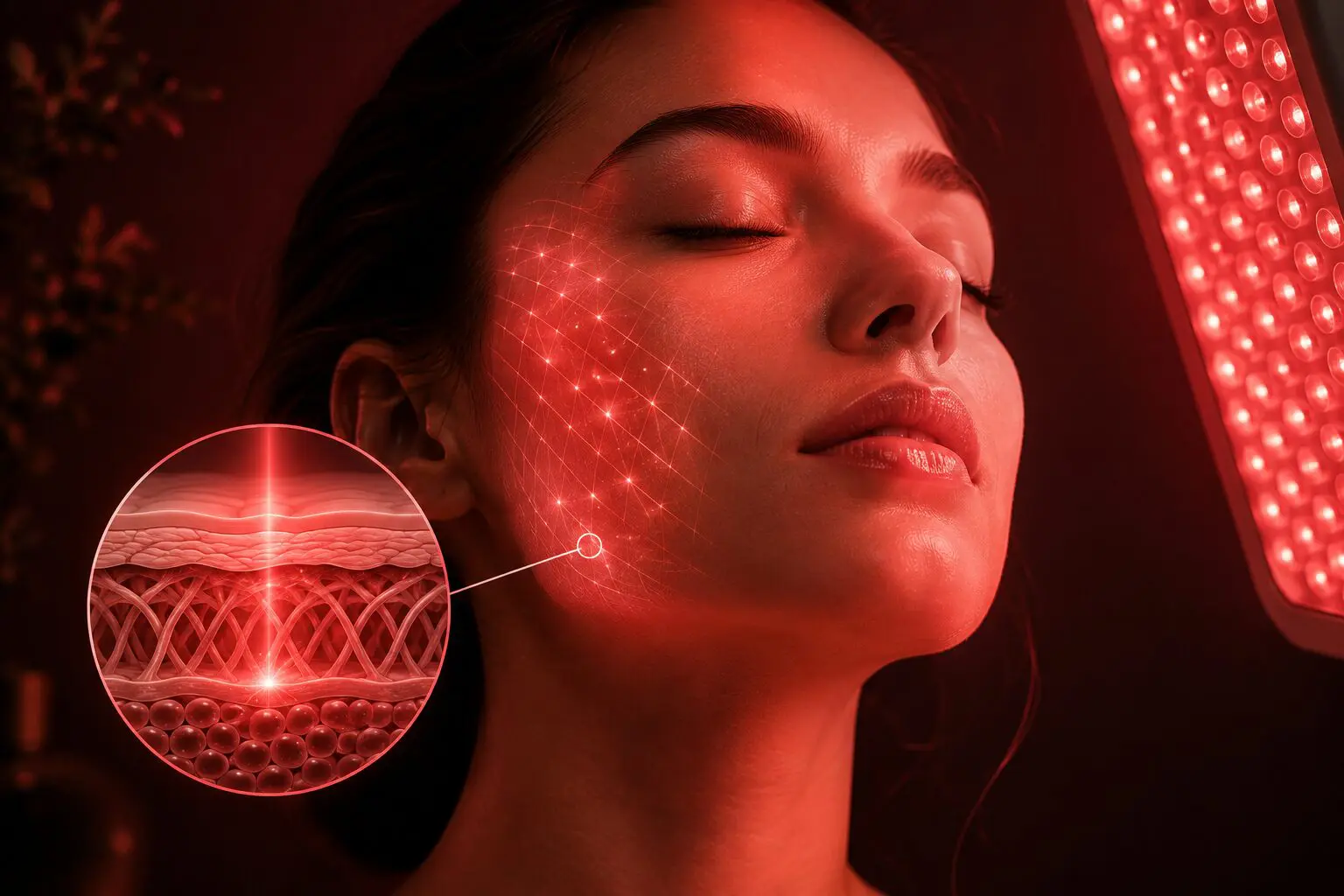
Anti-Aging And Red Light Therapy
Red Light Therapy for Anti-Aging: Supporting Healthier, Younger-Looking Skin
When it comes to maintaining healthy, youthful-looking skin, most of us are familiar with the basics: a good skincare routine, daily sunscreen, and the occasional facial. But what if there were another way to support your skin that goes beyond what you apply to the surface?
Red light therapy is gaining attention as a non-invasive approach to skin health, with research exploring its potential to support collagen production, improve skin texture, and soften the appearance of fine lines and wrinkles.
At Foundation Oakville, we’re interested in wellness treatments that complement healthy habits and help people feel their best. Red light therapy is one option worth exploring, particularly for those looking to support their skin as it naturally changes with age.
Let’s take a closer look at how it works, what the research suggests, and what you should know before getting started.
What Is Red Light Therapy?
Red light therapy, also known as photobiomodulation, uses specific wavelengths of red light and, in some treatments, near-infrared light to interact with cells in the body.
Unlike ultraviolet (UV) light from the sun or tanning beds, red light therapy doesn’t rely on UV radiation. Instead, researchers are studying how these wavelengths influence cellular activity and processes involved in tissue maintenance and repair.
When it comes to skin health, one area of particular interest is collagen production.
Collagen is a structural protein that helps keep skin firm and supported. As we age, our bodies naturally produce less collagen, and existing collagen fibres change. Over time, this can contribute to fine lines, wrinkles, and changes in skin elasticity.
Red light therapy may help support some of the processes involved in maintaining healthier-looking skin. It’s not an overnight solution, but with appropriate, consistent use, it may be a useful addition to an overall skincare routine.
How Can Red Light Therapy Support Healthy Aging Skin?
Red light therapy has been studied for several potential skin benefits. While research is promising in some areas, results can vary depending on the device, treatment protocol, and individual.
Here are a few reasons it’s becoming an increasingly popular part of skin-focused wellness routines.
Supporting Collagen Production
Collagen plays an important role in keeping skin looking firm and smooth. As collagen production declines with age, skin can gradually lose some of its structure and elasticity.
Research suggests that red light therapy may influence fibroblasts, the cells responsible for producing collagen and other components of the skin’s supporting structure.
With repeated treatments, this may help improve the appearance of skin firmness and texture. The degree of improvement varies, and more research is needed to understand which treatment protocols provide the most reliable results.
Softening the Appearance of Fine Lines and Wrinkles
Fine lines and wrinkles are a natural part of aging, but changes in collagen and skin structure can make them more noticeable over time.
By influencing processes associated with collagen production and skin maintenance, red light therapy may help soften the appearance of some fine lines and wrinkles.
It’s important to keep expectations realistic. Red light therapy won’t erase wrinkles or stop the aging process. Instead, it may offer gradual improvements in the overall appearance of the skin when used consistently.
Promoting Smoother-Looking Skin
Have you ever noticed that your skin’s texture changes over time? Skin may begin to look less smooth, feel less supple, or appear more uneven.
Red light therapy is being studied for its potential effects on skin texture and overall appearance. Some research suggests that repeated treatments may help improve aspects of skin smoothness and quality.
For those interested in maintaining a fresh, healthy-looking complexion, this is one of the potential benefits worth exploring.
Supporting Skin Elasticity
Collagen and elastin work together to help skin maintain its structure and flexibility. While collagen provides support, elastin helps skin stretch and return to its original shape.
Both naturally change as we age, which can contribute to skin that appears less firm.
Red light therapy may influence cellular processes involved in maintaining the skin’s supporting structure. Although the evidence is still developing, this is another reason researchers are interested in its potential role in skin health.
Supporting a More Refreshed Complexion
Healthy-looking skin isn’t just about wrinkles. Tone, texture, and overall radiance all contribute to how your complexion looks and feels.
Red light therapy may influence local circulation and cellular signaling, both of which are involved in normal tissue function. Some people report that their skin looks more refreshed after regular treatments, although these effects aren’t guaranteed.
The goal is to support your skin’s natural processes rather than rely on a quick fix.
Red Light vs. Near-Infrared Light: What’s the Difference?
If you’ve been researching red light therapy, you’ve probably come across both red and near-infrared wavelengths.
Although they’re often used together, they interact with tissue differently.
- Red light: Visible wavelengths commonly used in skin-focused treatments, including those exploring skin texture and the appearance of fine lines.
- Near-infrared light: Wavelengths beyond the visible red spectrum that are often incorporated into devices designed for deeper tissue applications and broader wellness goals.
The wavelengths used, their intensity, and the duration of exposure all influence how a treatment is delivered. More wavelengths don’t automatically mean better results, so it’s important to consider the design and intended use of the particular device.
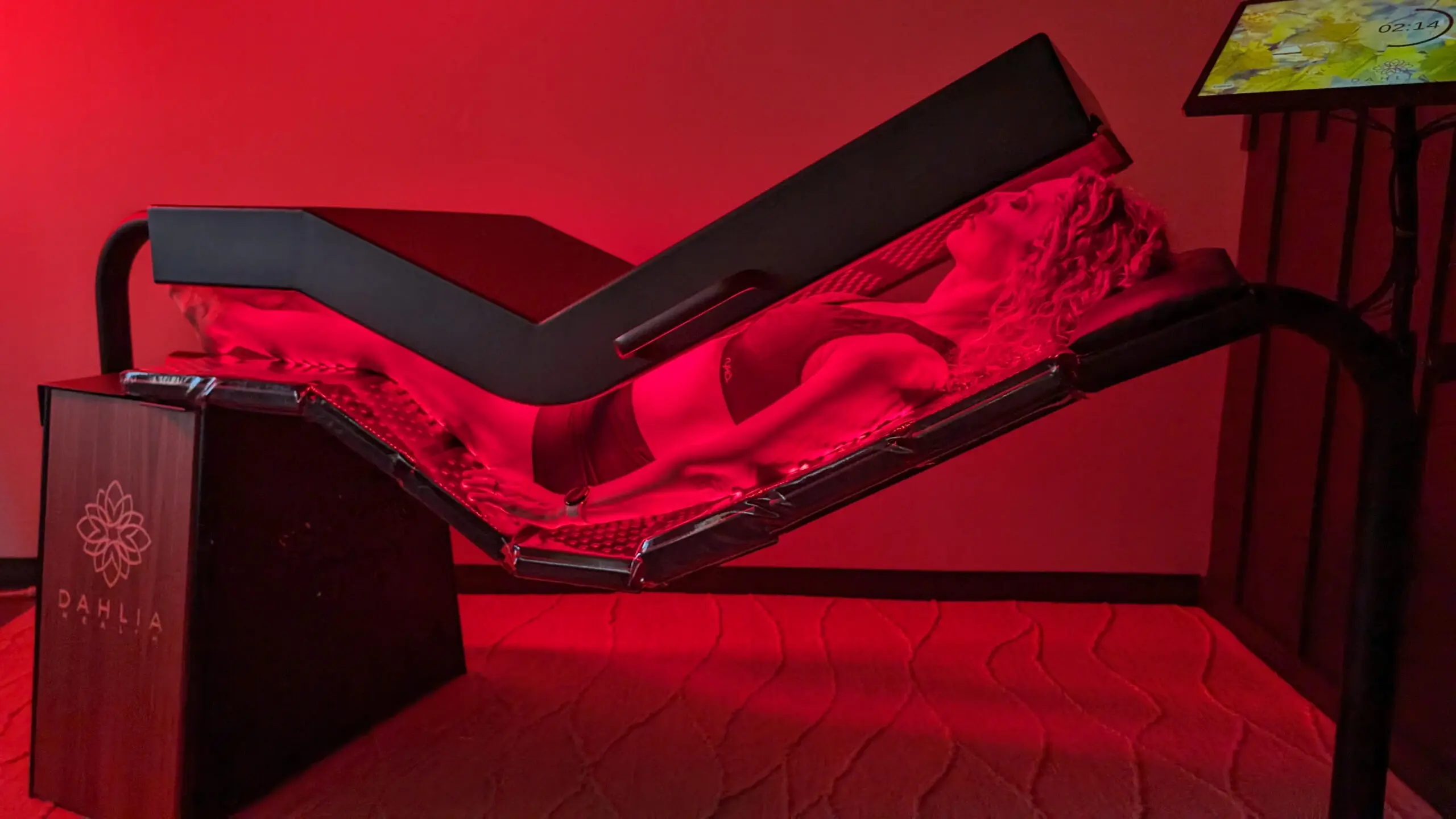
At Foundation Oakville, our Dahlia Red Light Therapy Bed combines red and near-infrared wavelengths in a full-body treatment system. This allows clients to explore red light therapy beyond a facial-only approach.
Facial Red Light Therapy vs. Full-Body Red Light Therapy
Red light therapy isn’t limited to one type of device. Depending on your goals, you may encounter facial masks, handheld devices, LED panels, professional facial systems, and full-body therapy beds.
So, what’s the difference?
Facial devices are designed to focus light on the face and may be a practical option for people primarily interested in facial skin concerns.
Full-body systems, on the other hand, expose a much larger area of the body during a single session. Depending on the device and its treatment settings, they may be used as part of a broader wellness routine while also providing exposure to the skin across multiple areas.
Neither approach is automatically better than the other. The right option depends on what you’re looking to achieve, the device’s specifications, and the evidence supporting its intended use.
For those who prefer a more comprehensive treatment experience, a full-body bed offers the added convenience of lying back and relaxing while the session takes place.
How Long Does It Take to See Results?
One of the most common questions about red light therapy is how quickly you’ll notice a difference.
The honest answer is that it depends.
Some people feel that their skin looks more refreshed relatively soon, while changes in the appearance of fine lines and skin texture may take several weeks or longer to become noticeable.
Red light therapy generally requires consistent use rather than relying on a single session. The appropriate frequency and duration depend on the device, its output, and your individual goals.
For the Dahlia Red Light Therapy Bed, sessions typically last around 12–15 minutes. However, session length alone doesn’t determine effectiveness, and the recommended treatment schedule should always be based on the specific system’s guidance.
As with any wellness treatment, patience and realistic expectations are important.
Is Red Light Therapy Safe?
Red light therapy is generally considered non-invasive and is often well tolerated when used appropriately. Unlike UV-based tanning, it doesn’t use the type of ultraviolet radiation associated with sunburn and UV-related skin damage.
Some people may experience temporary warmth or redness, and safety depends on the device and how it’s used.
There are a few things to keep in mind before beginning treatment:
- Follow the manufacturer’s recommended treatment times and instructions.
- Use appropriate eye protection when recommended for the device.
- Speak with a qualified healthcare professional if you take medications that increase sensitivity to light or have a condition that may affect your suitability for treatment.
- Seek professional advice if you’re managing a skin condition or have concerns about a new or changing skin lesion.
Red light therapy is not a replacement for medical dermatological care, and its benefits depend on the treatment and the individual.
Making Red Light Therapy Part of Your Skincare Routine
While red light therapy is an interesting addition to the world of skin wellness, it works best as part of a broader approach to healthy aging.
There are several everyday habits that remain essential for maintaining healthier-looking skin.
Protect your skin from the sun. Daily broad-spectrum sunscreen and other sun-protective habits are among the most effective ways to help prevent premature skin aging.
Keep your skin hydrated. A suitable moisturizer helps support the skin barrier and maintain comfortable, healthy-looking skin.
Prioritize sleep and nutrition. Adequate sleep and a balanced diet support overall health, including the normal processes involved in maintaining your skin.
Choose skincare that suits your needs. A consistent routine tailored to your skin type can help address concerns such as dryness, uneven texture, and visible signs of aging.
Red light therapy can be explored alongside these habits as an additional option, rather than a substitute for the fundamentals.
Why We Love the Potential of Red Light Therapy at Foundation Oakville
At Foundation Oakville, we believe wellness is about finding approaches that fit your goals and your lifestyle.
Red light therapy offers an interesting way to explore skin health through light-based technology, without needles or the recovery associated with more invasive cosmetic procedures.
Our Dahlia Red Light Therapy Bed provides full-body coverage, multiple red and near-infrared wavelengths, and a comfortable treatment experience. For clients interested in exploring red light therapy, it offers a convenient option within a broader approach to wellness.
The most important thing is understanding what a treatment can realistically offer and choosing an approach that makes sense for you.
Is Red Light Therapy Worth Exploring for Anti-Aging?
If you’re looking for ways to support healthier-looking skin as you age, red light therapy may be worth considering.
Research into photobiomodulation has shown potential for improving certain aspects of skin appearance, including texture and the appearance of fine lines. However, results are not guaranteed, and the strength of the evidence varies depending on the outcome being studied.
The appeal is its non-invasive approach and the possibility of supporting some of the natural processes involved in maintaining healthy skin.
Curious about red light therapy? Contact Foundation Oakville to learn more about our Dahlia Red Light Therapy Bed and find out whether a session may be a suitable addition to your wellness routine.
Healthy aging isn’t about stopping time. It’s about caring for yourself, making informed choices, and finding treatments that help you feel confident in your skin.